

Understanding the psychological triggers that influence gambling behavior in casinos
The Role of Environment in Gambling Behavior
The atmosphere of a casino plays a crucial role in influencing the behavior of gamblers. Bright lights, lively sounds, and a bustling environment create an immersive experience that can stimulate excitement and anticipation. In fact, many find that they canplay aviator as a way to enhance their enjoyment. This sensory overload is designed to keep players engaged, often blurring the line between reality and the casino experience. Such an environment can lead individuals to make impulsive decisions, driven by the thrill of the moment.
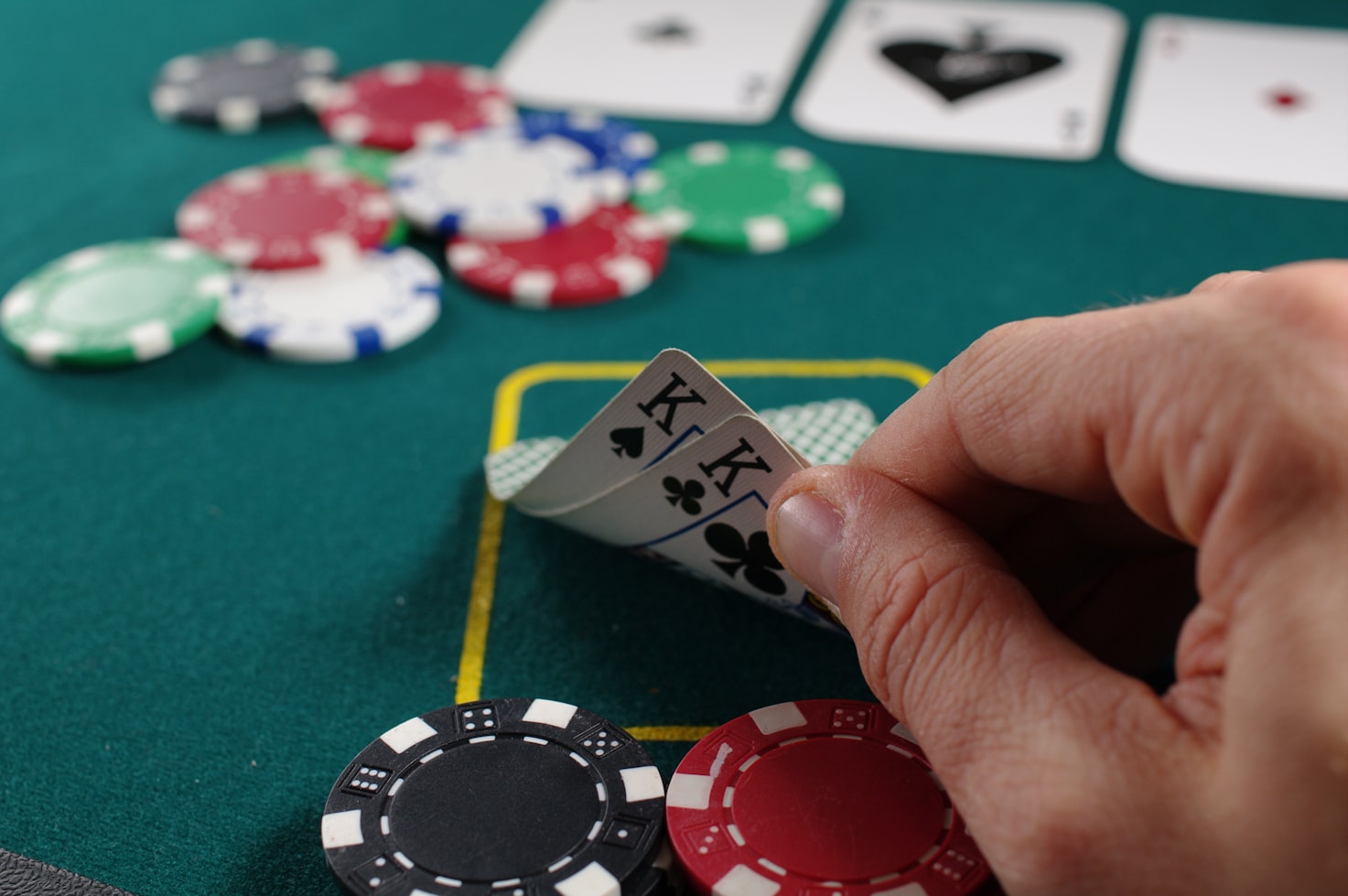
Moreover, the layout of casinos is strategically designed to encourage movement and exploration. The placement of games, food, and entertainment creates a maze-like structure that keeps players inside longer. This encourages further gambling as individuals are less likely to leave the venue once they are captivated by the environment.
Psychological Mechanisms Behind Gambling
Several psychological mechanisms trigger gambling behavior, including the concept of loss aversion and the near-miss effect. Loss aversion suggests that individuals are more motivated to avoid losses than to achieve gains. This can lead to a cycle where a player continues to gamble in the hope of recouping previous losses, often leading to increased bets and riskier behavior.
The near-miss effect plays a significant role in reinforcing gambling behavior. When players experience a near-win, it can create a false sense of hope and motivate them to continue playing. This psychological trigger exploits the brain’s reward system, causing players to chase after the elusive win, despite the reality that the odds may not be in their favor.
The Impact of Social Influences
Social influences can greatly affect gambling behavior in casinos. The presence of friends or fellow gamblers can create a communal atmosphere that encourages participation. Social reinforcement can lead to increased betting, as individuals may feel pressured to keep up with their peers or to share in the excitement of a winning streak.
Additionally, social validation plays a role. When gamblers see others winning or enjoying themselves, it can create a perception that they, too, can achieve similar results. This can lead to a heightened desire to engage in gambling activities, often without fully considering the risks involved.
The Role of Emotions in Decision-Making
Emotional states significantly influence gambling behavior. Feelings of excitement, euphoria, or even stress can lead individuals to make impulsive decisions at the gaming table. For instance, a gambler feeling euphoric after a small win may increase their bets, believing that luck is on their side. Conversely, someone experiencing stress might gamble to escape their feelings, leading to potentially harmful behavior.
Understanding how emotions affect decision-making can help in developing strategies for responsible gambling. Recognizing the emotional triggers that lead to impulsive decisions can empower individuals to make more informed choices, ultimately promoting healthier gambling habits.

Promoting Responsible Gambling on Our Platform
At our website, we are committed to promoting responsible gambling practices. We recognize the powerful psychological triggers that influence behavior and strive to provide resources that educate individuals about these mechanisms. Our goal is to create an environment where gamblers are informed about the potential risks and rewards of their actions.
We offer tools and support to help players manage their gambling habits effectively. By fostering a culture of awareness and responsibility, we aim to ensure that gambling remains an enjoyable form of entertainment rather than a harmful addiction. Through education and support, we hope to empower individuals to make healthier decisions while engaging in gaming activities.